Grouphorse in the News
UN ECOSOC Youth Forum official side event focuses on culture-responsive leadership and youth action
Updated:July 06, 2026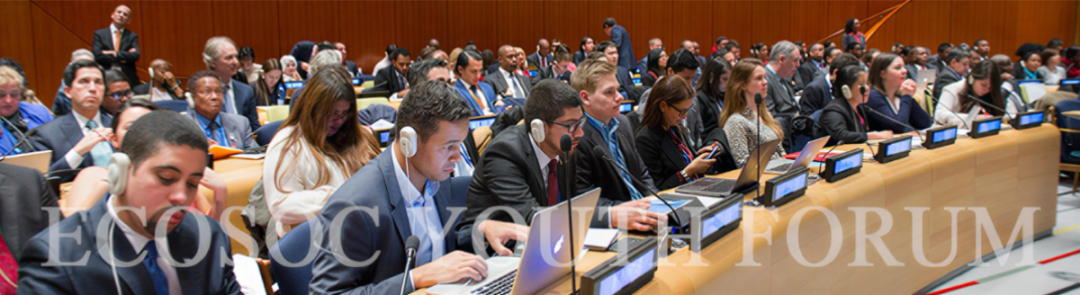 On April 14, 2026, the official side event of the 2026 United Nations Economic and Social Council (ECOSOC) Youth Forum—“Culturally Responsive Leadership and Youth Action: AI-Empowered ESG Resilience and Sustainable Partnerships”—was held online.
The United Nations Economic and Social Council (ECOSOC) is one of the six principal organs of the United Nations. Since its establishment in 2012, the ECOSOC Youth Forum has become a vital platform within the United Nations system for dialogue between young people, Member States, and other stakeholders. As a key component of the official agenda of the 2026 ECOSOC Youth Forum, this side event was jointly organized by the United Nations University Institute in Macao, the Grouphorse ESG Center at the School of Foreign Languages of Southwest Petroleum University, and the Shanghai Qibao High School Education Group.
Guests from United Nations agencies, universities in China and abroad, and the business community, as well as numerous teacher and student representatives from Shanghai Qibao High School, Xindu Experimental Middle School (affiliated with Qibao High School), and Qibao High School Pujiang Branch, gathered online to share insights on cutting-edge topics such as artificial intelligence (AI) technology, ESG resilience, and culturally responsive leadership, and to jointly explore pathways for youth action toward the Sustainable Development Goals.
The event was moderated by Guo Lingxin, a master’s student at Columbia University’s School of International and Public Affairs. During the opening session, Yang Min, a researcher at the United Nations University Institute in Macao, delivered a speech highlighting the practical significance of this side event by exploring the relationship between cultural diversity, youth collaboration, and sustainable development. She pointed out that although today’s world is increasingly interconnected, it still faces multiple challenges such as geopolitical fragmentation, escalating conflicts, inequality, and the climate crisis. Bridging cultural divides, respecting cultural diversity, and fostering mutual understanding among different cultures are essential prerequisites for achieving peace and sustainable development. She emphasized that young people naturally bridge the gap between tradition and modernity, as well as between the local and the global; they are not only participants in the digital age but also a vital force driving social change. Furthermore, collaboration among young people is key to transforming individual actions into collective impact and turning ideas into practical reality.
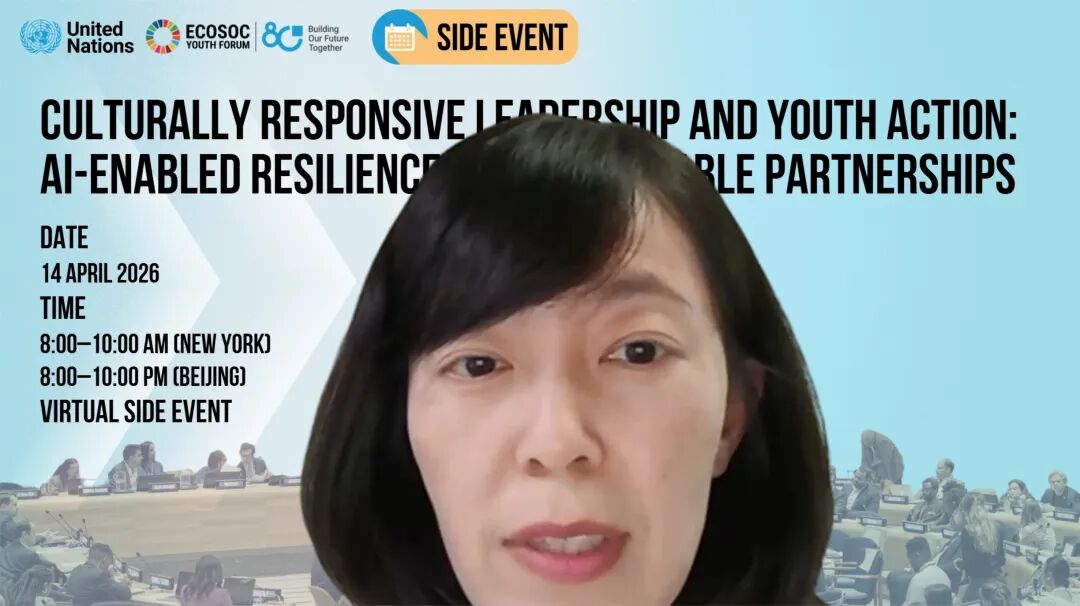 ▲Yang Min, Researcher at the United Nations University Institute in Macao
In his opening remarks, Tang Xing, Executive Director of the Grouphorse ESG Center at the School of Foreign Languages, Southwest Petroleum University, and founder of the Grouphorse Group, pointed out that, the focus of this side event is not merely on artificial intelligence itself, nor is it simply about treating youth participation as a slogan; rather, it is to explore how to use culturally responsive leadership to connect youth action, reliable data, project mechanisms, and cross-departmental collaboration. This will help advance sustainable development from one-off activities toward a more sustainable delivery system, and further address how to translate global goals into local actions that young people can truly participate in, help shape, and actually implement. He also noted that for young people to truly make a difference, they need more than just enthusiasm; they require pathways, tools, trust, and opportunities for action.
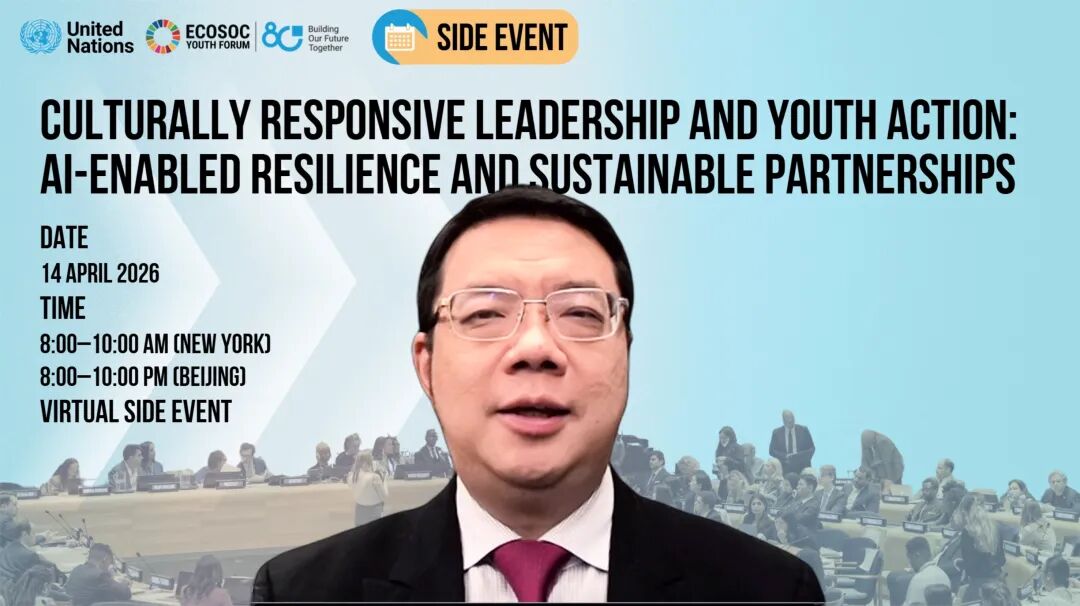 ▲Tang Xing, Executive Director of the Grouphorse ESG Center at the School of Foreign Languages, Southwest Petroleum University, and Founder of Grouphorse Group (Opening Remarks)
Stanford University Professor Michael Shanks delivered a keynote speech titled “Culturally Responsive Leadership and Trust Mechanisms: How Digital Narratives Promote Public Engagement and Evidence Translation,” in which he elaborated on the key pathways for moving the Sustainable Development Goals from “proposal” to “delivery” in the era of artificial intelligence. He pointed out that while global progress has been made in setting goals, there remain shortcomings in translating these goals into sustained action at the local level. The key lies not in the technology itself, but in whether there is a sufficient understanding of people, culture, and relational networks.
He proposed “design foresight” as a set of actionable methodological tools, emphasizing the need to shift from “solving problems” to “understanding people,” from predicting the future to grasping long-term patterns of change, and to drive present-day action amid uncertainty. He argued that technology does not directly create change; what truly determines the effectiveness of transformation is how people understand, accept, and apply technology within specific cultural contexts. Sustainable development should therefore be viewed as a “living system” composed of relationships, experiences, and collaboration.
Focusing on the implementation pathway “from goals to delivery,” he emphasized that effective partnerships must be built on trust, communication, and shared goals, and advanced through distributed leadership and cross-actor collaboration. The role of artificial intelligence lies in accelerating information integration and the pace of action, but establishing direction and interpreting meaning still require the joint efforts of humans and communities. Only when supported by cross-cultural understanding and social认同 can data and evidence be truly adopted and translated into action.
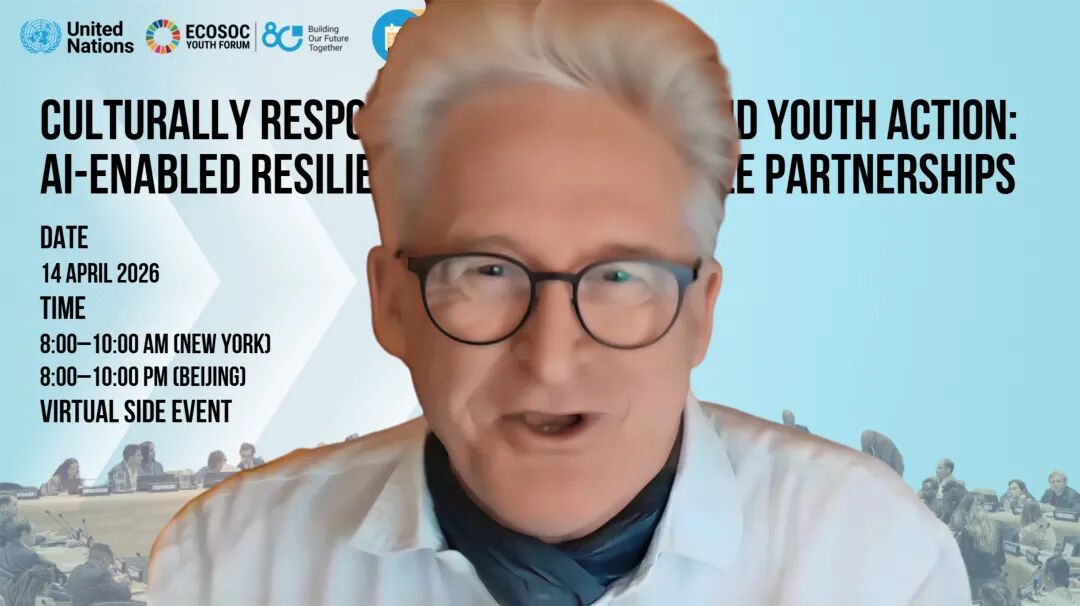
▲Professor. Michael Shanks from Stanford University
Tang Xing delivered a keynote speech titled “Strategic Cognition and Resilient Delivery: Building the Core Logic of Youth Action in the AI Era Through Go Thinking.” Beginning with the landmark moment in AI history—the match between AlphaGo and Lee Sedol—he argued that the core challenge facing today’s youth is no longer merely the need to update their skills, but rather the ongoing erosion of their judgment, sense of structure, and space for independent thinking. Against the backdrop of algorithms reinforcing instant-response mechanisms and attention becoming increasingly fragmented, young people urgently need to rebuild two key capabilities: first, “strategic cognition”—the ability to grasp the big picture, understand trade-offs, and maintain a clear direction amid complex variables; and second, “resilient execution”—the ability to maintain structural integrity and continue advancing toward goals even when the path is uncertain, the pace is disrupted, or local setbacks occur. Centering on this theme, Tang Xing introduced the game of Go into the discussion on youth action in the age of artificial intelligence, pointing out that the systematic thinking, strategic patience, long-term perspective, and mastery of rhythm and relationships inherent in Go provide methodological insights for understanding young people’s judgment, agency, and sustained delivery capabilities. Drawing on the global spread and development of Go, he also emphasized that this form of mental training possesses distinct cross-cultural accessibility. In his speech, he called for greater attention and institutional recognition for Go at the level of UNESCO’s Intangible Cultural Heritage, so that its unique value in global youth education, capacity building, and cultural exchange can be better harnessed.
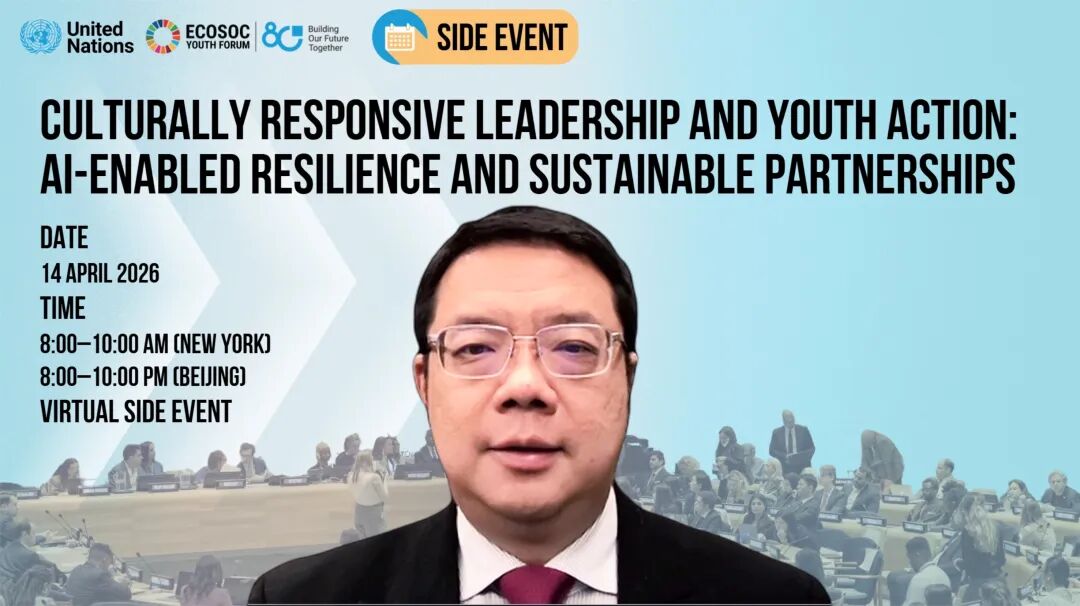 ▲Tang Xing, Executive Director of the Grouphorse ESG Center at the School of Foreign Languages, Southwest Petroleum University, and Founder of Grouphorse Group(Keynote Speech)
Chen Yujie, a United Nations project design consultant, delivered a keynote speech titled “From Global Goals to Local Delivery: Designing Projects That Truly Take Root,” in which she systematically elaborated on how global goals can be effectively translated into sustained action at the local level. She pointed out that in the practical implementation of sustainable development projects, what is often lacking is not goals, frameworks, or budgets, but rather the design capacity to truly adapt to local social structures and cultural realities. As projects move from the drawing board to communities, schools, public spaces, and grassroots service settings, they often deviate from their original intent due to a disconnect from reality before they even reach the front lines of implementation.
Addressing this issue, Chen Yujie proposed “four shifts” in project design: shifting from “delivering for the community” to “co-designing with the community”; shifting from viewing artificial intelligence as a substitute for judgment to treating it as an accelerator of delivery; shifting from viewing youth as beneficiaries to viewing them as co-designers; and shifting from designing around activities and milestones to designing around continuity and sustainability. She pointed out that truly culturally responsive project design must not only value the community’s existing networks of relationships, informal authorities, and local knowledge, but also recognize the practical role of young people in problem definition, evidence collection, and implementation. Furthermore, it must address key questions from the very outset of the project, such as “Who will continue to carry out this work three years from now?” and “What mechanisms will remain operational after the initial funding ends?”
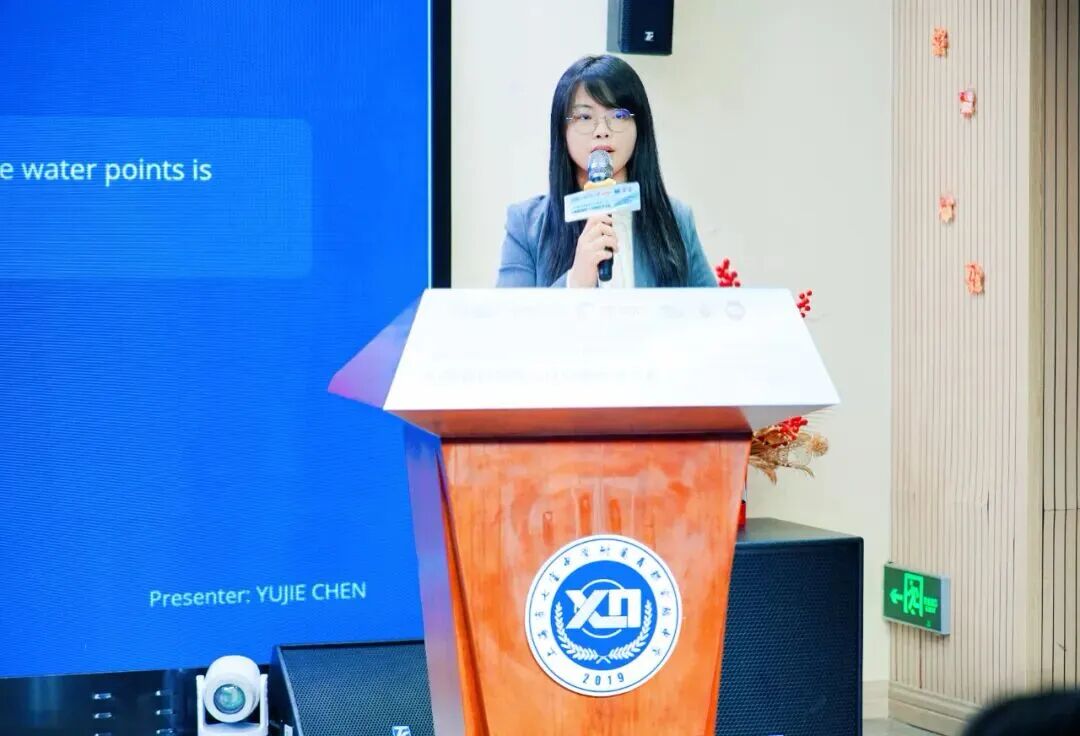 ▲Chen Yujie, United Nations Project Design Consultant
During the youth project showcase, six student representatives from Shanghai Qibao High School, Shanghai Qibao High School Affiliated Xindu Experimental Middle School, and Shanghai Qibao High School Pujiang Branch presented their youth action plans on topics such as green energy, educational equity, community governance, digital inclusion, and environmental monitoring.
Zhu Tianyi, a student at Xindu Experimental Middle School Affiliated with Shanghai Qibao High School, explored the potential applications of traditional cultural elements in new energy design by combining ancient cultural patterns with modern geometric structures. Huang Yuqi, also a student at Xindu Experimental Middle School Affiliated with Shanghai Qibao High School, drew on scientific research to propose a low-cost, community-based monitoring approach—one that can be widely implemented—to address the impact of kitchen waste oil on aquatic ecosystems. Li Yizhou, a student at the Pujiang Branch of Shanghai Qibao High School, focused on educational equity and explored ways to use artificial intelligence to empower the education of disadvantaged groups. Lu Lingyu, also a student at the Pujiang Branch of Shanghai Qibao High School, addressed “Educational Equity in the AI Era,” arguing that we should be wary of the standardization of knowledge underlying technological expansion and enhance young people’s ability to use AI tools autonomously. Shi Haowei, a student at Shanghai Qibao High School, drew on community-based digital assistance for the elderly to propose transforming youth services into a feedback mechanism for digital governance. Zhuang Zhining, also a student at Shanghai Qibao High School, explored localized pathways for community resilience governance by focusing on the development of community green spaces and concepts such as the “Community ESG Ledger.”
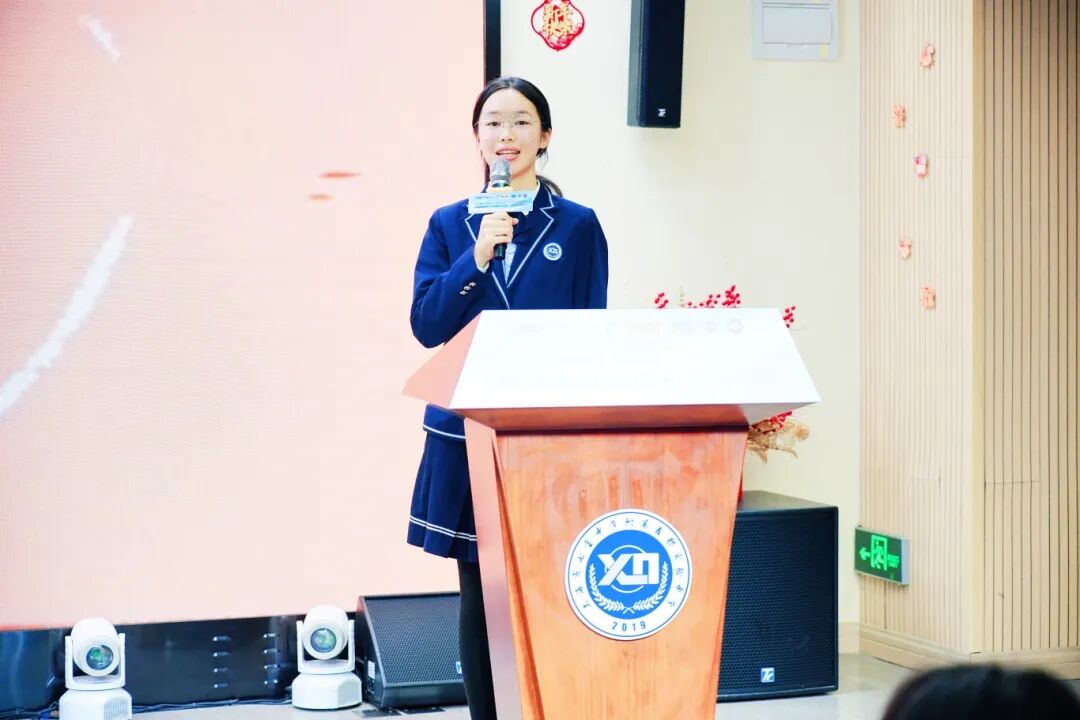
▲Zhu Tianyi, a student at Xindu Experimental Middle School, Affiliated with Shanghai Qibao Middle School
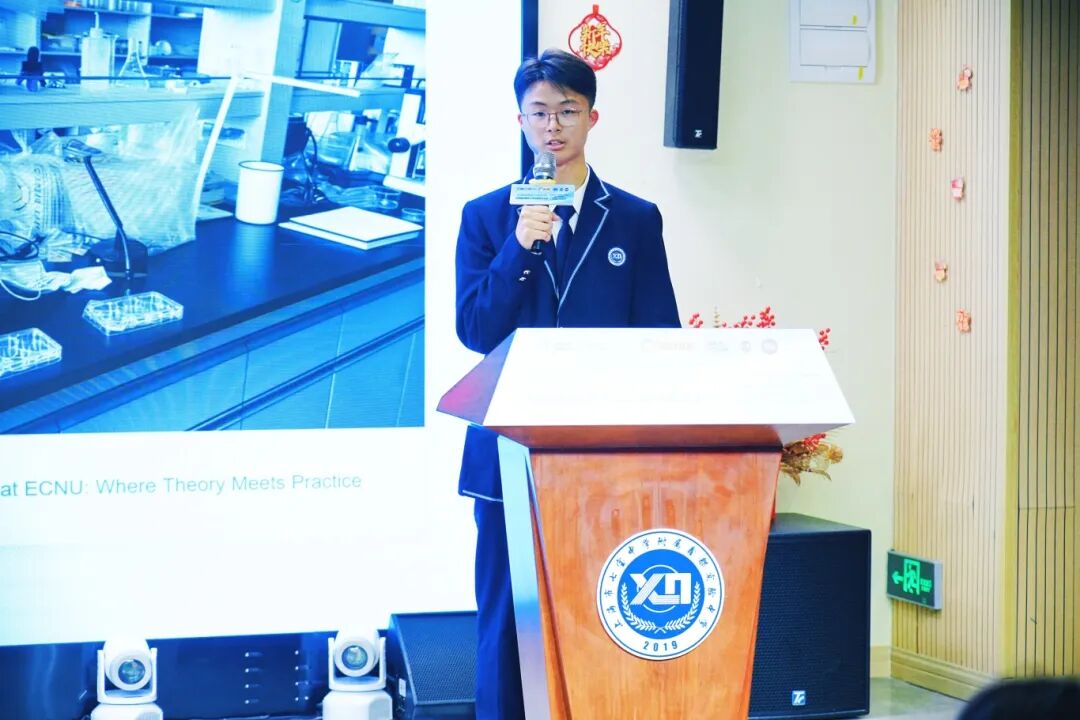
▲Huang Yuqi, a student at Xindu Experimental Middle School, Affiliated with Shanghai Qibao Middle School
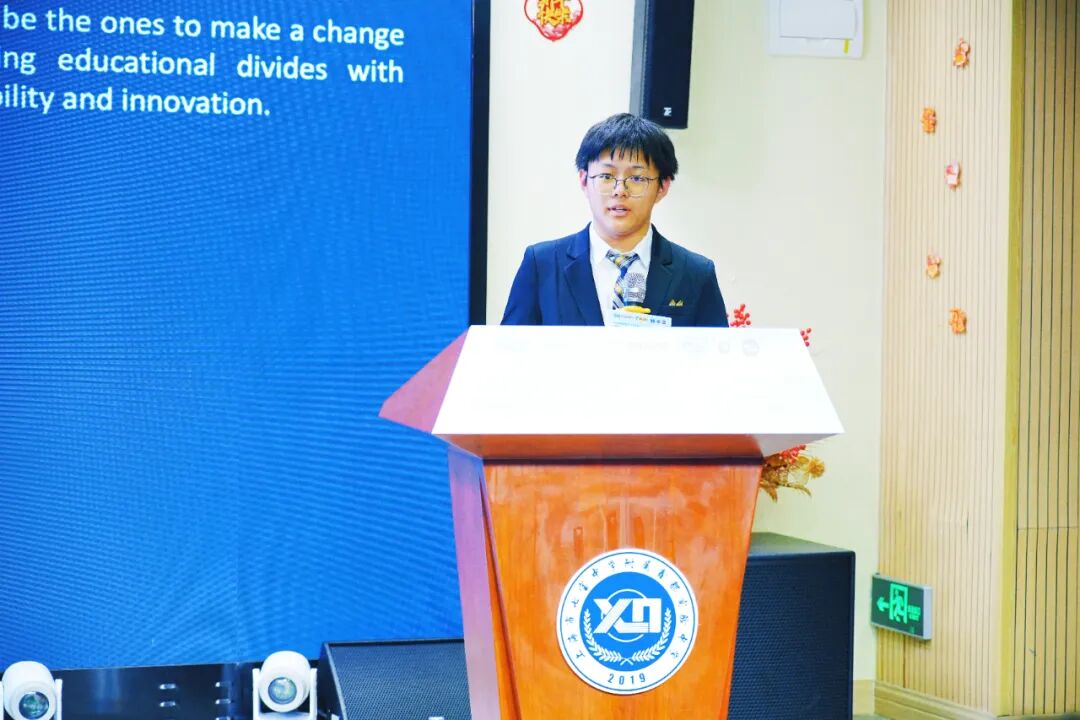
▲Li Yizhou, a student at Xindu Experimental Middle School, Affiliated with Shanghai Qibao Middle School
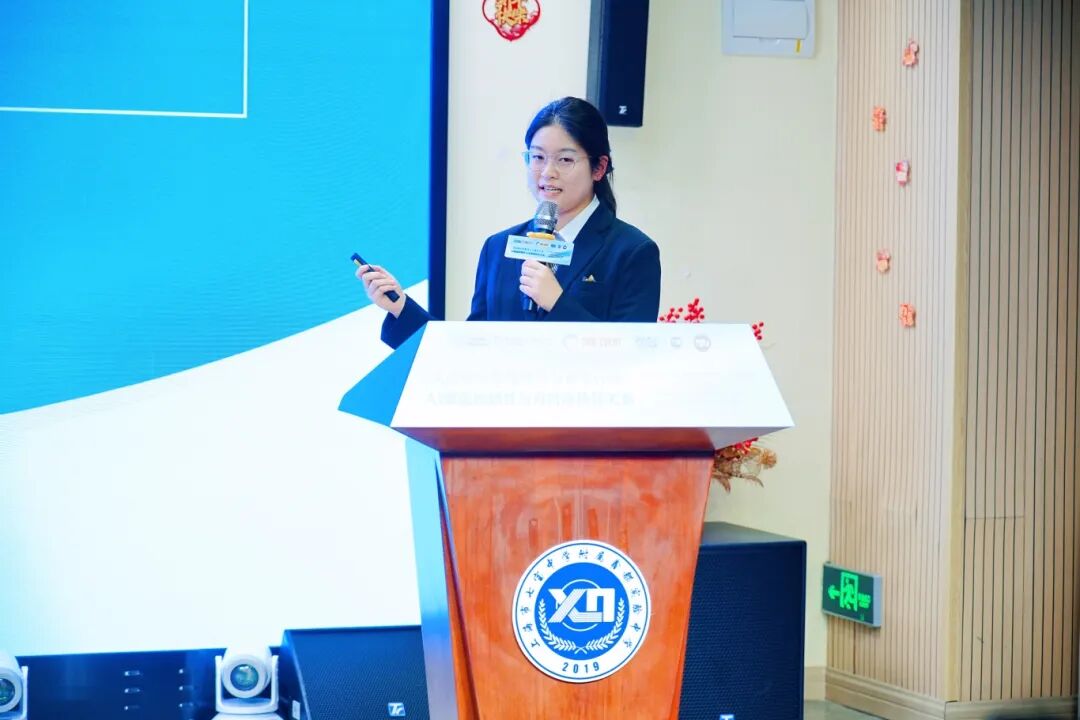
▲Lu Lingyu, a student at Pujiang Experimental Middle School, Affiliated with Shanghai Qibao Middle School
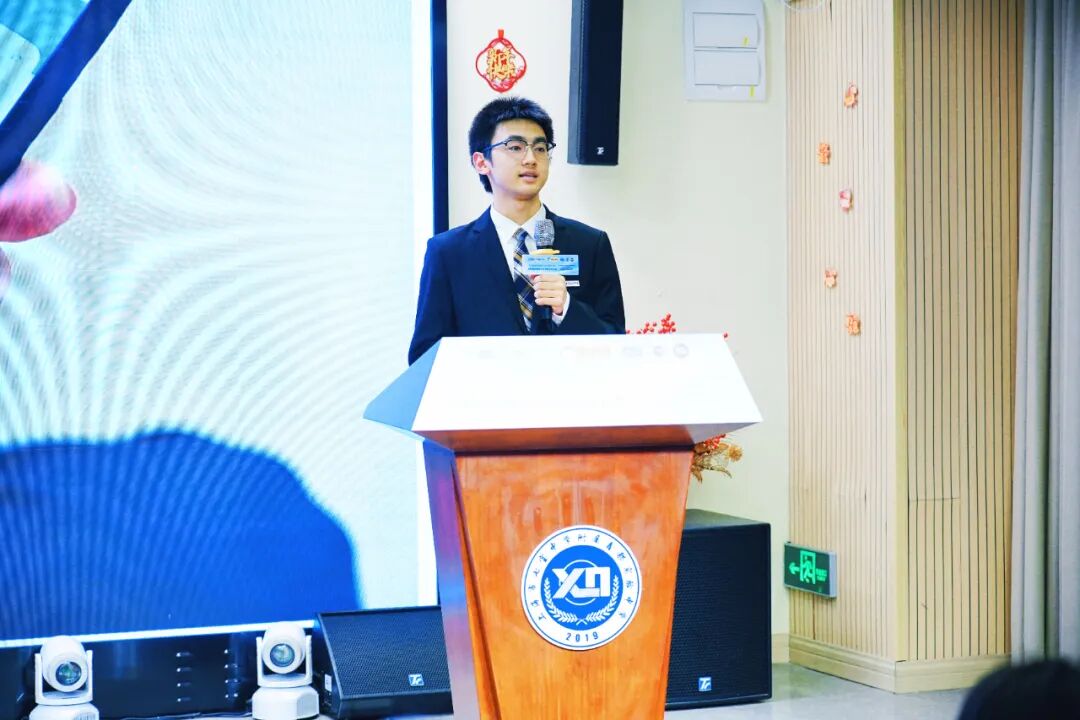
▲Shi Haowei, a student at Shanghai Qibao Middle School
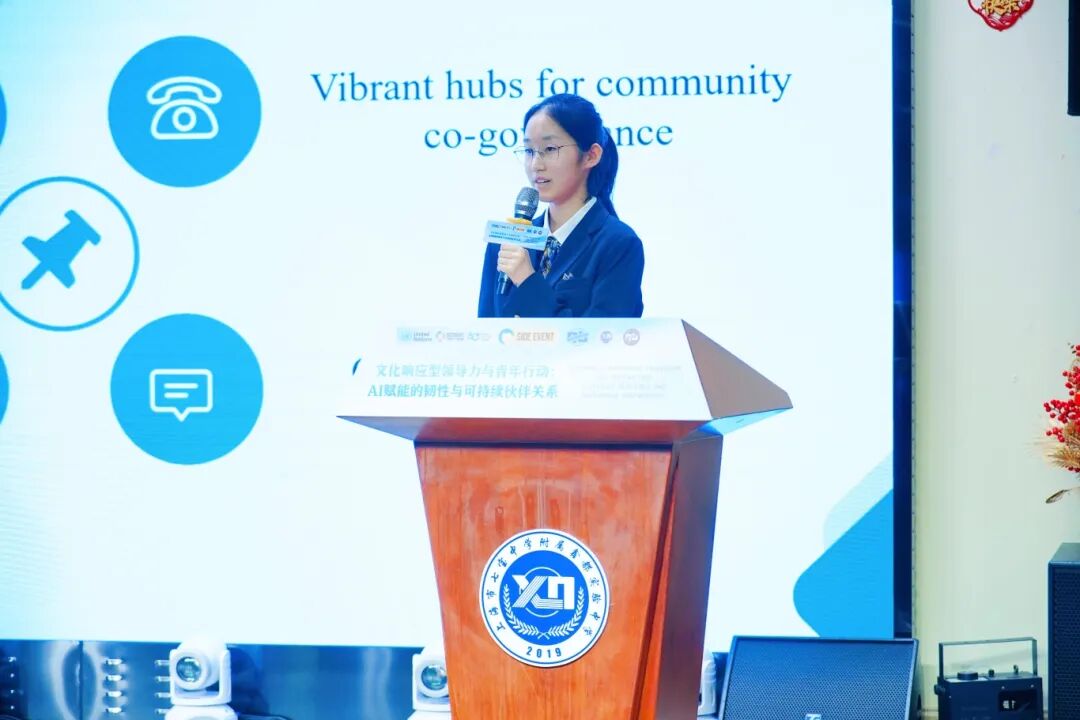 ▲Zhang Zhining, a student at Shanghai Qibao Middle School
The side event also featured a session on women’s leadership. Professor Hou Liya, a researcher at Columbia University’s Business School, delivered a keynote speech titled “Women’s Leadership in Resilient Systems: Role Definition and Indicator Design.” She defined women’s leadership as a cross-sectoral delivery capability in resilience-building, noting that under stress scenarios such as climate shocks, infrastructure disruptions, and rapid transitions, a system’s ability to function effectively often hinges on three key factors: whether inclusivity can be embedded in resilience planning; whether risk communication can be conducted in a credible manner; and whether multi-agency and multi-stakeholder collaboration to solve problems under stress can be facilitated. She argued that women’s leadership plays a critical supporting role in all three of these areas.
Hou Liya further proposed that measuring women’s leadership should not be limited to statistics on representation; the question that truly needs to be answered is: When women assume decision-making positions, does the system perform better in terms of the groups it protects, the effectiveness of communication, and collaborative implementation? Based on this assessment, she proposed three sets of more actionable observation dimensions—“who is protected, who is persuaded, and who can collaborate on implementation”—and advocated for transforming women’s leadership from an abstract initiative into an identifiable, measurable, and verifiable institutional capacity through role allocation, decision-making arrangements, and indicator design. In line with the theme of this side event, she also proposed that in youth-led partnership design, women leaders should be placed in positions with genuine decision-making authority to drive sustainable partnerships from “signing agreements” toward “demonstrating results.”
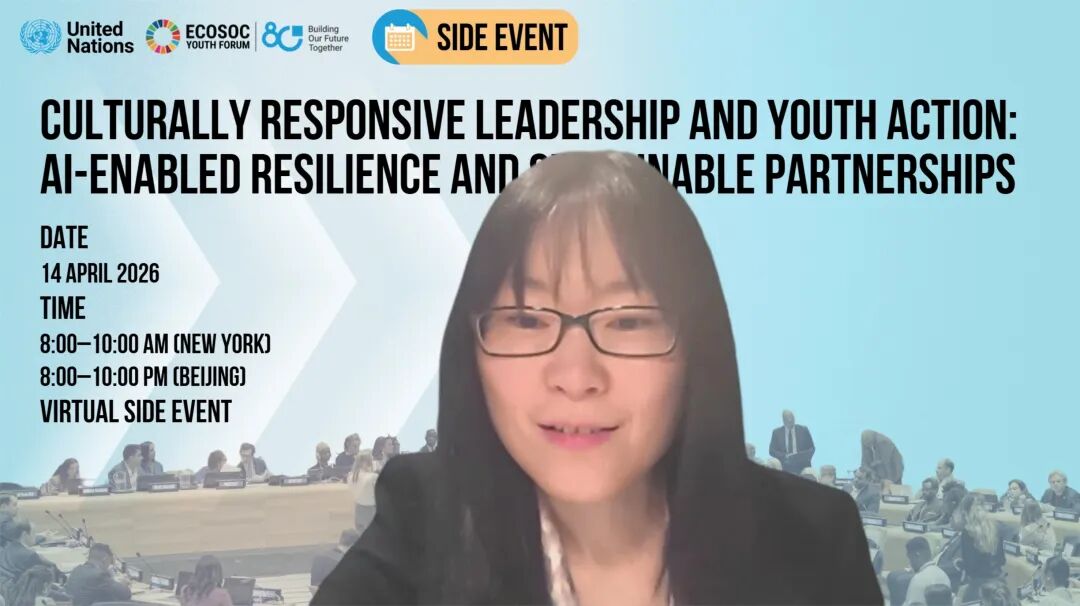 ▲Professor Hou Liya, Researcher at Columbia University
Focusing on the central theme of culturally responsive leadership, the participants engaged in discussions across multiple dimensions, including artificial intelligence, trustworthy data, project design, youth action, women’s leadership, and local implementation. The consensus reached at the conference was that the role of artificial intelligence in enabling sustainable development depends not only on the technology itself but also on its ability to respond to the realities of different cultures and communities; similarly, youth participation in global governance is not merely about expressing their will, but also about gaining access to concrete pathways, tools, trust, and collaborative mechanisms that provide support.
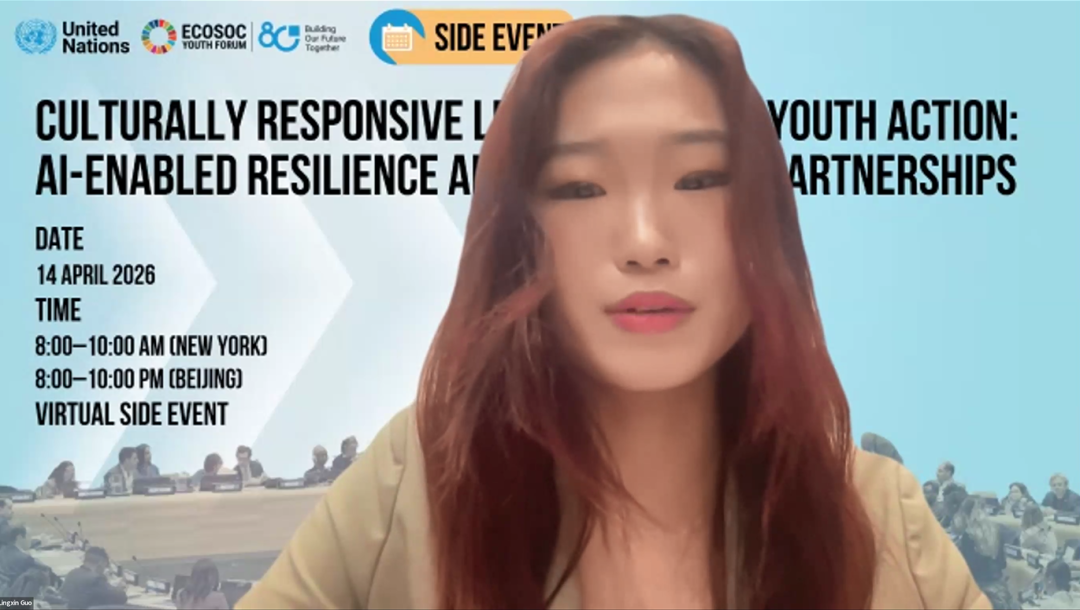
▲Host: Guo Lingxin, a master’s student at Columbia University